Mastering Apple Cranberry Rosemary Stuffing: A Culinary Deep Dive
Stuffing – for many, it's the quintessential side dish that defines holiday feasts, a comforting medley of savory and aromatic flavors. But if your past experiences with stuffing have been less than stellar, perhaps a dry, bland, or uninspired offering, prepare for a revelation. The
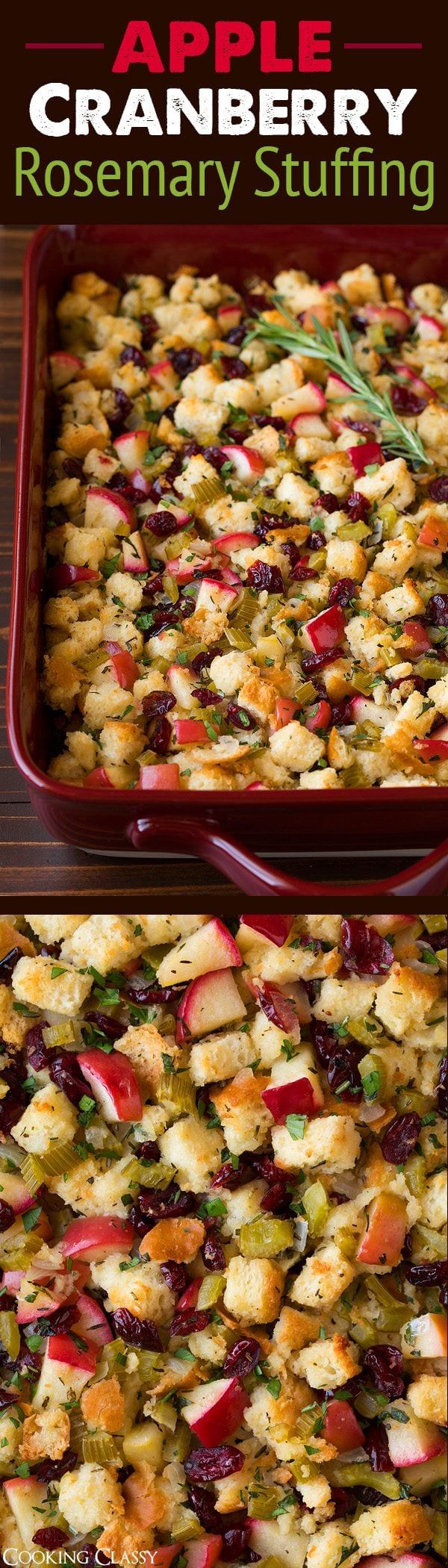
apple cranberry rosemary stuffing is a game-changer, elevating this classic to new heights with its harmonious blend of sweet, tart, and herbaceous notes. It’s a dish so profoundly satisfying, it might just become your new favorite holiday tradition, or even a star for everyday meals. Gone are the days of relegating stuffing to just one meal a year; once you master this recipe, you'll be finding excuses to enjoy it all season long, and perhaps, year-round!
What makes this particular stuffing stand out? It's the thoughtful incorporation of fresh apples and sweet-tart cranberries, perfectly complemented by the earthy, fragrant embrace of fresh rosemary. This twist introduces a delightful lightness and a burst of fruitiness that beautifully cuts through the richness, offering a sophisticated alternative to traditional versions. It’s a truly festive and colorful dish that promises to impress.
The Foundation: Crafting Perfect Bread Cubes
The journey to a truly magnificent
apple cranberry rosemary stuffing begins with its most fundamental ingredient: the bread. While convenience might tempt you to reach for pre-packaged dried bread cubes, taking the time to prepare your own is perhaps the most crucial "pro tip" for achieving a superior texture and flavor. Store-bought cubes can often be too hard, absorb liquid inconsistently, or lack the nuanced flavor profile that freshly dried bread offers.
For the best results, opt for a sturdy, rustic bread with a good crumb structure. Think along the lines of sourdough, challah, a hearty country white, or even brioche if you desire a richer base. Avoid overly soft, thinly sliced sandwich breads that tend to turn to mush when moistened. Cut your chosen bread into roughly 1-inch cubes. Uniformity is key here for even drying and consistent texture in the final dish.
Now for the drying process. You have a few options:
- Oven Drying: This is the quickest and most common method. Spread your bread cubes in an even layer across two rimmed baking sheets. Preheat your oven to a low temperature, around 300°F (150°C). Bake for approximately 30 minutes, tossing the cubes and rotating the baking sheets halfway through to ensure even drying. The goal is dry, firm cubes, not toasted or browned.
- Air Drying: For a more hands-off approach, you can air dry your bread. Simply spread the cubes out on baking sheets or clean kitchen towels and leave them at room temperature for 1-3 days, turning occasionally. This method works beautifully and can be done several days in advance.
Pro Tip: You can prepare and dry your bread cubes well in advance – even weeks ahead! Once completely dry, store them in an airtight container or freeze them. This makes holiday meal prep significantly easier and removes one time-consuming step from the cooking day. For more detailed instructions on preparing your base, consult our
Homemade Apple Cranberry Rosemary Stuffing Recipe Guide.
Building Layers of Flavor: The Aromatic Sauté
With your bread base ready, the next step involves creating the aromatic heart of your
apple cranberry rosemary stuffing. This stage is all about building deep, savory flavors that will permeate every bite.
Begin by melting butter – and plenty of it! The buttery richness is a hallmark of truly delicious stuffing. In a large skillet over medium heat, add your finely diced celery and onion. Season them lightly with salt. The key here is to sauté them until they are genuinely softened and translucent, not just warmed through. This can take anywhere from 10 to 13 minutes. Undercooked vegetables will remain crunchy in the final stuffing, which is a texture most people want to avoid. Take your time with this step; it's foundational.
Once the celery and onion are tender, it’s time to introduce the apples. Diced apples should be added and sautéed for just 3-4 minutes, allowing them to begin to break down and soften slightly, but still retain some structural integrity. For a balance of sweetness and a hint of tartness, consider using a mix of apples like Honeycrisp for sweetness and a Granny Smith for a slight tang. The apples contribute a wonderful natural sweetness and moisture that complements the other ingredients beautifully.
Remove the skillet from the heat, and now, the magic happens with the final additions:
- Cranberries: While the context suggests dried cranberries, don't shy away from adding a handful of fresh cranberries for a vibrant burst of tartness and color, especially if you enjoy a more pronounced tart note. Dried cranberries offer a concentrated sweetness and chewy texture that many adore. For an extra touch, you can lightly plump dried cranberries in a splash of warm apple cider or orange juice before adding them.
- Fresh Herbs: This is where the "rosemary" in your apple cranberry rosemary stuffing truly shines. Along with rosemary, fresh thyme and sage are classic companions that lend an unparalleled depth of flavor. While dried herbs can be used, fresh herbs provide a brighter, more vibrant aroma and taste. Chop them finely to ensure their flavor distributes evenly.
Toss these ingredients together in the warm skillet, allowing the residual heat to gently meld their flavors.
The Art of Assembly: Mixing and Moistening
Now, it’s time to bring all these delicious components together. Transfer your dried bread cubes to an extra-large mixing bowl – you’ll need plenty of space to toss without crushing the bread. Pour the warm apple and herb mixture over the bread cubes. Season lightly with salt and pepper to taste, remembering that chicken stock will also contribute to the saltiness.
Next, the chicken stock. This is a critical element for achieving the perfect moist-but-not-soggy texture. Start by pouring in about 1 cup of chicken stock. Gently toss the mixture, using a large spoon or your clean hands, ensuring the liquid is evenly distributed. The goal is to moisten the bread without turning it into a soggy mass. Slowly add more stock, a quarter cup at a time, tossing gently after each addition, until the bread cubes have nearly soaked through.
Pro Tip: The amount of stock needed can vary based on your bread type and how dry it is. Observe the bread: it should be thoroughly moistened and soft, but not dripping wet. Some cooks even like to add a beaten egg or two to the mixture along with the stock; this acts as a binder, creating a slightly more cohesive and cake-like stuffing, though it's optional for this recipe. This careful process is what makes your
apple cranberry rosemary stuffing tender and flavorful throughout.
Baking to Golden Perfection: Achieving Ideal Texture
Once thoroughly mixed, transfer your stuffing mixture into a generously non-stick sprayed 13x9-inch baking dish, spreading it into an even layer. Resist the urge to pack it down too tightly, as this can result in a dense, heavy stuffing. A looser pack allows for better air circulation and a more tender final product.
Preheat your oven to 325°F (160°C). Cover the baking dish tightly with aluminum foil. This initial covered baking period is essential for ensuring the stuffing cooks through evenly and stays wonderfully moist. Bake for 15 minutes.
After 15 minutes, remove the foil. This allows the top layer to crisp up and develop that irresistible golden-brown crust. Continue baking uncovered for another 15-25 minutes, or until the top is beautifully golden and the stuffing is warmed through to the center.
Pro Tip: For an extra crispy top, consider dotting the uncovered stuffing with a few pats of butter before the final bake. If you prefer an even browner, more deeply caramelized crust, you can briefly place it under the broiler for a minute or two at the very end, but watch it carefully to prevent burning. Once baked, let the stuffing rest for a few minutes before serving. This allows the flavors to meld and the structure to set. Garnish with the remaining fresh parsley for a final flourish of color and freshness.
Beyond the Holidays: Versatility and Serving Suggestions
While
apple cranberry rosemary stuffing is an undisputed star of the holiday table, its versatility extends far beyond Thanksgiving or Christmas. Its balanced flavor profile makes it a fantastic side dish for a variety of meals throughout the fall and winter, and even into spring.
Consider serving it alongside:
- Roast Chicken or Turkey: A classic pairing, naturally.
- Pork Loin or Chops: The sweetness of the apples and cranberries, combined with the herbs, perfectly complements pork.
- Roasted Vegetables: For a hearty vegetarian meal, it can stand as a robust side or even a main course.
- Weeknight Dinners: Reheat leftovers for a comforting side to rotisserie chicken or simple baked fish.
Make-Ahead Magic: One of the best aspects of this
apple cranberry rosemary stuffing is its make-ahead potential. You can assemble the entire dish, up to the point of baking, cover it tightly, and refrigerate for up to two days. When ready to bake, simply allow it to come closer to room temperature before popping it in the oven, or add a little extra baking time. You can even freeze unbaked or baked stuffing for longer storage; just thaw and reheat or bake as directed, potentially adding more stock if it seems dry. To understand why this stuffing is more than just a holiday treat, read
Why Apple Cranberry Stuffing is Your New Holiday Favorite.
This
apple cranberry rosemary stuffing is truly a culinary delight, transforming a humble side dish into a memorable star. By focusing on quality ingredients, understanding the purpose behind each step, and incorporating these pro tips, you'll achieve a stuffing that is incredibly flavorful, perfectly textured, and irresistibly aromatic. Get ready to impress your family and friends, and perhaps, even convert a few stuffing skeptics along the way!